
Today we’re in for more fact-checking on learner-centered teaching and learning. Before you scroll down, see if you can pick out the lie in this list of statements.
- Learner-centered teaching strategies can work even when the students know nothing at all about a topic
- You should not lecture if you want to maintain the effectiveness of a learner-centered classroom
- The teacher’s specific subject knowledge becomes less important in a learner-centered classroom
Did you identify the lie? Write it down so you’re committed 😉
And we will discuss the points one by one.
1. Learner centered learning strategies can work even when the students know nothing at all about a topic
The global education community is clear that it is a good idea to move the teacher out from the center of the teaching equation. But how do you start with learner-centered activities when the students don’t even have the basic concepts with which to learn or grasp the material? The fact is that learner-centered techniques will work even with complete novices. The introduction of completely new material can be done by various means. It would be best to leave the teacher out of these means so that the learners have direct access to the material or information that they are picking up (even if for the first time), but that is not actually required. What is important however, the key to getting it right, is that we do not have our learners sitting down listening to someone tell them all about the facts, concepts or behaviors that they are about to learn, while all they do is passively listen. We want to make the introduction in a way that causes them to actively engage their own minds in the important considerations, the various factors of that fact or concept.
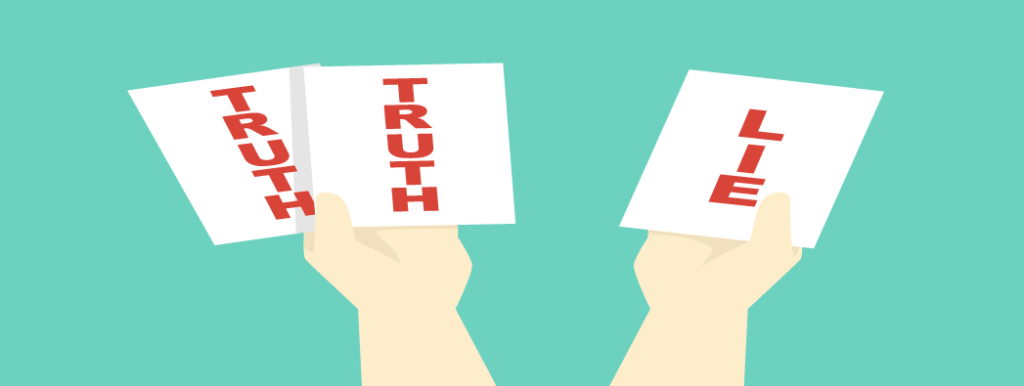
Point #1 was Truth #1
Moving on!
2. You should not lecture if you want to maintain the effectiveness of a learner-centered classroom
This one might be a bit tricky. Lectures are an almost iconic representation of all that is wrong with teacher-centered learning. They are the poster child for chalk-and-talk teaching techniques and our ever-vilified sit-and-get learning. So it makes sense that if you want a learner centered classroom, you should not lecture…. at all???
No, that is not quite right. The fact is that if you can see lecture as addressing the class on a topic then you might still see the value of intermittent lectures as long a s the full lessons are not built around lectures. The important consideration here is for how long and for what proportion of the course duration are you lecturing? Another quick pop quiz
The average attention span of a college student for class lecture content is:
A) 30 minutes
B) Two hours
C) 10 minutes
D) 90 minutes
Unless you chose A, the average length of a college lecture already exceeds the time you believe is the duration of learner attention spans. The correct answer is C. and our lectures should be well shorter than that if we want to maintain learner-centricity.
And Point #2 was the lie. You can lecture, but that should not be your lesson.
Moving along!
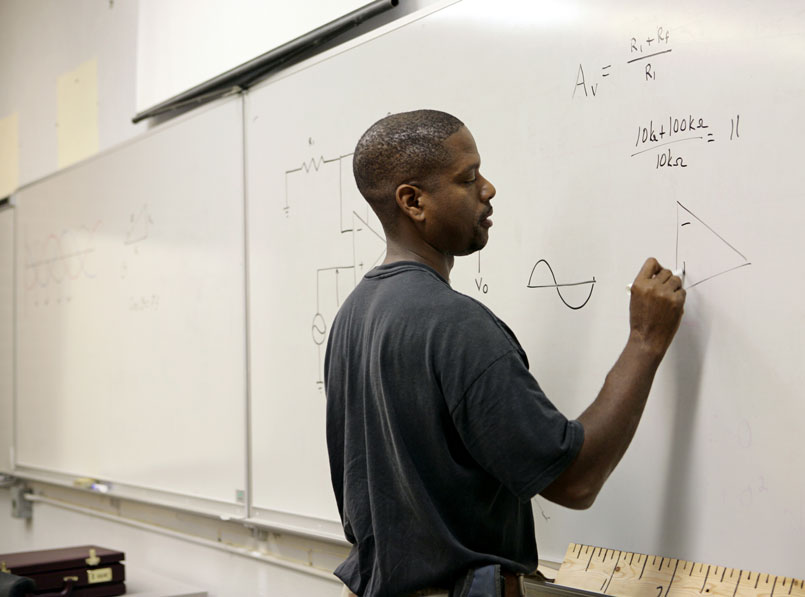
3. The teacher’s specific subject knowledge becomes less important in a learner-centered classroom
So this is the 2nd truth in our 2 truths and a lie challenge. The truth is that in a learner-centered lesson the teacher facilitates the learners’ engagement of the learning material. The teacher is NOT the source of the material. It therefore follows that the teacher may not need to have specific subject knowledge and the lesson will still be every bit as effective.
This conceptual shift can be difficult for some to grasp. Why am I the teacher if I cannot ‘teach’? If i dont know it all? The direct answer to that question is that you are the teacher because you know which topics the students should learn and to what levels of competency they should learn them. You don’t have to know those topics in intricate detail yourself.
Because new knowledge is being created each and every day and lots of old knowledge is being retired
every day, no one can fully master a field and then stay on the cutting edge of mastery for that field over decades and decades. Our 21st century knowledge-society does not need the educator who knows it all. We already have Google playing that role and Google is doing a stellar job of it. We need the educator who can tell us where to find things, what is important towards a particular task, and how to select good information sources. That is the new evolving role of the academic educator and even of the technical trainer. And that, my dear friends, is the ultimate truth in it all.
Let’s look at some examples.
TEACHER CENTERED EXAMPLE: (Lecture) I could teach students about the macroeconomic concept of demand and supply by standing at the board with a diagram and telling them all about it in long painstaking detail.
Or
I could set up a full set of PowerPoint slides with a summary of the concepts on it and walk the students through the concepts and their explanations
VS
LEARNER CENTERED EXAMPLE: I could give four groups of students a page each with the concept or example on it, and assign them over the next 15 minutes to:
Pick an item they know of that does not follow the rules in the model I have put in front of them, or
Give two personal stories per group of a time when demand and supply affected something someone was going to buy, or
Tell me which is more important, demand, or supply, with two reasons for each OR
Come up with a funny way they would explain demand and supply to their little sibling, using examples, or a comparison story , dance or song that helps you to see/understand the parts and how it works.
I could keep going with learner centered examples of teaching activities, but you get the point. It would be important to establish that there is no right or wrong answer for the students because the goal is to engage with the concept and come up with their ideas. Releasing them of the requirement to be right will free them up to come up with better quality material since they are not being judged based on their answers. If a student tries a song that they think represents the ideas but fails to engage the dynamics you wanted them to engage, you can give them a ‘very well done!’ and add what we could add to it and why. Like “we could even add our hands spread out to our sides ‘when price goes up, demand comes down’. Not a student in the class will ever forget that relationship between the elements of that academic concept.